

CUSTOM PRINTED PACKAGING
Made to hold your product. Designed to catch the eye.
BUILT IN THE USA
Section 1
The Retail Product Packaging Workhorse

A little detail. A big difference.
Tuck End Boxes for Retail Packaging
Tuck end boxes are one of the most popular folding carton styles used for product packaging—and for good reason. Their simple design makes them economical, easy to assemble, and versatile enough for a wide range of everyday retail products.
Not sure which box style to choose?
For many products, a tuck end box is a safe bet—and a good starting point for figuring out your packaging.
Section 1-1
A CLOSER LOOK
Getting Your Message Across
Section 2
When Should You Consider Tuck End Boxes?
When you're not sure where to start, or are looking for simple packaging. Tuck end boxes to the rescue. They are designed as the everyday product box.
Tuck end boxes are a good choice when you:
Tuck end boxes are also a popular choice for secondary packaging—the outer cartons used for tubes, bottles, and jars. They give your product a more upscale presentation, set it apart from the competition, and help it stand out on a retail shelf.
↗
Need a simple, economical box for everyday retail packaging.
↗
Want quick, easy assembly to keep your packaging process moving.
↗
Want to give tubes, bottles, or jars a more polished retail presentation with printed secondary packaging.
↗
Need a consistent, recognizable look across your product line.
FIND YOUR FIT
See where this style can take you
Tiles
01
02
03
04
Section 2-1
IS THIS RIGHT FOR YOUR PRODUCT?
Secondary Packaging to the Rescue
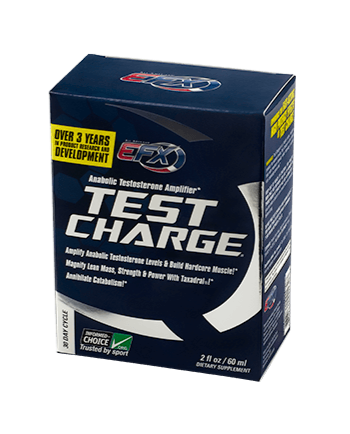
Sometimes squeeze tube and bottle packaging can use a bit more. Secondary packaging to the rescue!
Secondary packaging can give an ordinary bottle, tube, or jar a more upscale presentation while creating space for product information and branding.
Tuck end cartons are a popular choice for secondary packaging. They help products stand out from competing brands, provide more room for branding and marketing messages, and give an entire product line a consistent, recognizable look.
Where you'll find tuck end boxes used as secondary packaging:
Cosmetics & skincare: Creams, lotions, serums, and beauty products
Tubed products: Ointments, gels, adhesives, and hand creams
Bottled products: Essential oils, fragrances, and specialty liquids
Jars & small containers: Balms, creams, and personal-care products
Health & wellness: Supplements and other packaged consumer goods
When you need more than a tuck end
When a product is too heavy for tuck closures, consider their close cousins, snap-lock and auto-lock bottom boxes. Same box, just different bottoms designed to hold heavier products.
These kissing cousins have glued or interlocking bottom panels that work together to form a stronger, more secure base, allowing them to support heavier products.
Get a Quote in 3 Simple Steps
1.
Choose Your Box Style
2.
Enter Your Dimensions
3.
Get Instant Quote

Style of box
style bullets
•
Style
Size:
Length
Width
Depth
Height
Options:
UV
Hang Tab
Window
Volume
value
value
value
value
value
value
value
value
18pt total costs
value
value
value
value
value
value
value
value
18pt cost/box
value
value
value
value
value
value
value
value
24pt total costs
value
value
value
value
value
value
value
value
24pt cost/box
value
value
value
value
value
value
value
value
How Does Box Pricing Work?
Help →
Paper Thickness
Print Finishes
Measure
Reading a Ruler
Paperboard Thickness Chart

What's a Good Paper Thickness for My Box?
-
16pt (0.016″ ≈ slightly thicker than a business card)
-
Best for very small product boxes.
-
Rule of thumb: footprint (floor of the box) of about 1″ × 1″ or smaller.
-
-
18pt (0.018″ ≈ just under credit-card thickness)
-
Strong enough for most cosmetics, food, and shelf packaging.
-
Cost-effective and versatile — the “everyday” choice for custom boxes.
-
Rule of thumb: footprint of about 2.75″ × 2.75″ or smaller.
-
-
24pt (0.024″ ≈ credit-card thickness)
-
Stiffer and more rigid, with a premium feel in hand.
-
Ideal for larger, heavier, or higher-end products where strength and presentation matter.
-
Rule of thumb: footprint of about 3″ × 3″ or larger.
-
Cardstock.... or Paperboard?
The paper behind your packaging matters
You may have seen box specs like “18pt cardstock” online — but not all 18pt paper is created equal.
• Cardstock: A thick paper used for crafts, postcards, and invitations. It’s cheaper and works for lighter packaging — but it lacks the stiffness and durability needed for most product boxes.
• Paperboard: A stiffer material engineered specifically for packaging. It folds cleanly, glues reliably, and holds its shape to protect your product — and your brand — on the shelf.
The key is knowing what you’re buying. In retail, your product box is what closes the sale — so it needs to perform and look its best. That’s why we use a quality paperboard — so your packaging doesn’t just hold together, it helps sell what’s inside.
Have Questions?
Drop us a line - We're Here to Help. We'll Get Back to You Right Away.
But packaging projects are rarely that simple. If you're launching multiple products,
We can often get you better costs.
Want a quick answer? Include your phone number and we'll give you a call. Prefer to talk now? Reach us at 1.800.555.1778.
Let's See What We Can Do →
Thank you. Your message has been received. We'll be in touch soon.
Error
We're here to help you sell your product. Let's talk about your packaging.
Section 3
IS THIS RIGHT FOR YOUR PRODUCT?
Straight Tuck vs. Reverse Tuck — Does It Really Matter?

These terms simply describe how the top and bottom of the box close. On a Reverse Tuck End (RTE) box, the two tuck panels close in opposite directions. On a Straight Tuck End (STE), they close in the same direction.
For most products, it doesn't make much difference. It usually comes down to preference.
There are times when one works better than the other. If a box is opened and closed often — like a playing card or tea box — an RTE box can be easier to use. The top tuck lid opens away from you, so you can see what's inside the box right away.
For retail packaging, an STE box is often preferred. The top tuck lid opens toward you, which gives the front of the closed box a cleaner look for your artwork. The tradeoff is that when you open it, the tuck lid is in front of the contents, so you have to look behind it to see inside.
Section 3-1
IS THIS RIGHT FOR YOUR PRODUCT?
Straight Tuck vs. Reverse Tuck
Straight Tuck End (STE)

The top and bottom tuck panels close in the same direction. This construction is often selected for a clean retail artwork presentation.
Reverse Tuck End (RTE)
The top and bottom tuck panels close in opposite directions. Depending on how the carton is oriented and used, this can suit products that are opened and closed repeatedly, such as playing cards or tea.
These terms describe the relationship between the top and bottom tuck closures. The difference is often a matter of preference, artwork, and how the package will be opened.
Section 4
IS THIS RIGHT FOR YOUR PRODUCT?
Make Your Tuck End Box Work for Your Product
Tuck end boxes are simple by design, but there are plenty of ways to make them work better for your product and how it will be sold.
Add a hang tab for peg or hook displays
Add a half-moon thumb tab to make the box easier to open and re-close
Choose friction, slit, or postal locks depending on how securely the box needs to stay closed
Add a die-cut window to let shoppers see the product or allow fragrances to escape
Add inside partitions or custom inserts to separate, organize, or hold products in place
Explore tuck end folding carton options, closures, and custom inserts →

Frequently Asked Questions About Tuck End Boxes
What’s the difference between straight tuck and reverse tuck end boxes?
A reverse tuck end (RTE) box has top and bottom flaps that close in opposite directions. A straight tuck end (STE) box has both flaps closing toward the back, which keeps the front panel cleaner for graphics and shelf presentation.
Can tuck end boxes be used as hanging retail packaging?
Yes. Tuck end cartons can include die-cut hang tabs or hanger holes so they can hang on peg hooks or display racks. This turns a standard folding carton into hanging retail packaging for lightweight products like cosmetics, accessories, and small electronics.
Can tuck end boxes be used as secondary packaging?
Yes. Tuck end cartons are commonly used as printed secondary packaging for products already sealed in another package—especially squeeze tubes for lip gloss, creams, lotions, and skincare, as well as bottles, jars, or pouches. The tube is the primary package, while the folding carton adds branding, product information, and retail shelf presence—common in cosmetic tube packaging.
Can tuck end boxes be used for e-commerce shipping?
Tuck end boxes are mainly designed for retail shelves, not direct shipping. Many brands place the tuck end carton inside a sturdier mailer box or shipping carton for e-commerce fulfillment.
Get Started on Your Custom Tuck Box
Tell us about your product dimensions, branding needs and finish and we’ll recommend the right tuck box for you.
Work with Folding Carton Experts
At The Box Co-op we don’t just offer tuck boxes—we are tuck box specialists. Every box we make is a custom paperboard folding carton, built for quality, consistency and impact.